 Men’s Clubhouse
Peer support, life-skills groups, physical wellness, recreation, Torah learning, and opportunities for social connection.
See Men’s Clubhouse details →
Achieve’s ClubHouse is a recovery-oriented support community within Achieve Behavioral Health. Through peer support, psychosocial rehabilitation, and structured group participation, clients can strengthen daily living skills, establish supportive relationships, and work toward personal recovery goals.
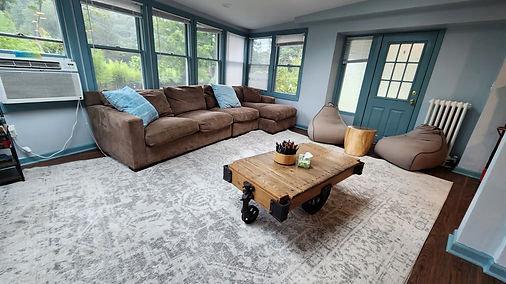
 Peer support · Skills · Acceptance
Each Clubhouse offers its own space, team, schedule, and programming, with a shared focus on peer support, psychosocial rehabilitation, and community participation.
Men’s ClubhousePeer support, life-skills groups, physical wellness, recreation, Torah learning, and opportunities for social connection.
See Men’s Clubhouse details → Women’s Clubhouse
Peer groups, practical skill development, wellness, cooking, creative programs, and opportunities to build community.
See Women’s Clubhouse details →Within Achieve’s CCBHC, Clubhouse combines a dependable community setting with structured, recovery-oriented services. With programming offered across five days each week, members have regular opportunities to maintain a routine, build trusting relationships, and connect with familiar staff and peers. Belonging and consistency create a foundation for purposeful progress.
Peer support and psychosocial rehabilitation help members work toward individualized objectives identified in their treatment plans (TPs). Through structured groups and everyday social interactions, members practice communication, coping, daily living, and interpersonal skills. The Clubhouse welcomes individuals with diverse religious, cultural, and personal backgrounds, providing a community in which each person can feel respected and included.
Regular programming, familiar staff, and a predictable environment help members build routine and trust while working toward treatment-plan objectives.
Meaningful peer relationships help reduce isolation and remind members that they are not facing their challenges alone. People from different backgrounds are welcomed with dignity and respect.
Individualized treatment-plan goals guide the work. Members can join scheduled activities or connect informally with peers, with staff supporting participation and progress based on each person’s needs and readiness.
Clients are welcomed into a community where staff and peers listen, include, and respect each person.
Structured discussion and activities offer opportunities to practice communication, social skills, problem-solving, and daily living skills.
Yoga, wallyball, self-defense, art, cooking, and wellness activities are offered as applicable to each Clubhouse.
Outings, recreational activities, barbecues, shared meals, and special programs support relationships and community participation.
The Men’s Clubhouse offers Torah learning, Jewish thought, and faith-oriented discussions in addition to other groups.
A warm meal is served during every group. Members also have access to a stocked pantry, snacks, and beverages.
Each Clubhouse has its own program calendar. Review the Men’s schedule or the Women’s schedule for group times and locations.
“For a long time I couldn’t find a place where I felt comfortable. Here, I can come in, sit with other people, and feel that I belong.
“I was used to feeling judged because of what I was going through. At Clubhouse, people listen and accept me as I am.
“Having somewhere to go, people to talk to, a meal together, and activities to join makes a real difference in my week.
Referring clinicians may consider Clubhouse when a client would benefit from consistent community contact, opportunities to practice interpersonal and daily living skills, and a supportive setting between treatment visits.
Clubhouse offers an accessible, consistent setting where clients can practice treatment-plan objectives through psychosocial rehabilitation and peer support. The team can collaborate with referring clinicians to identify appropriate groups, discuss engagement, and reinforce recovery-related skills between treatment visits.
Connect with the Clubhouse team ↗For schedules, visit the Men’s Clubhouse or Women’s Clubhouse pages.
Information for prospective participants, families, therapists, and referring professionals.
Ask the Clubhouse teamAchieve’s ClubHouse is a recovery-oriented support community within Achieve Behavioral Health. The program offers peer support, psychosocial rehabilitation, structured group activities, and opportunities for everyday social connection and skill development.
Clubhouse complements treatment by first helping members establish relationships and trust. Peer support and psychosocial rehabilitation then offer opportunities to practice recovery-related skills in an accepting community setting. Participation is flexible, and progress is guided by each person’s readiness.
Peer support emphasizes connection, mutual understanding, and relationships among people navigating recovery. Psychosocial rehabilitation focuses on practicing skills that support daily functioning, communication, coping, and participation in community life.
Groups may include discussion, peer support, psychosocial rehabilitation, life-skills practice, wellness, creative activities, or recreation. Members may join the planned activity or spend time relaxing and connecting with peers in the common area. Either choice is welcomed; see the Men’s and Women’s schedules for topics and times.
Yes. A warm meal is served during every Clubhouse group. A stocked pantry, snacks, and beverages are also available.
No. Members may engage at their own pace. They can participate in group discussions and activities, or spend time in a quieter shared space, relaxing and connecting with peers. Staff aim to provide a respectful, welcoming, and nonjudgmental environment for different comfort levels and needs.
Yes. The Men’s and Women’s Clubhouses have their own staff, spaces, activities, and weekly schedules. You can explore each program separately on this website.
Depending on the program and current calendar, activities may include group discussions, cooking and life skills, art, yoga, wallyball, Zumba, self-defense or Krav Maga, outings, barbecues, and informal social activities. Men’s programming also includes Torah learning and Jewish thought. Activities and times may change.
View the schedule on the Men’s Clubhouse page or the Women’s Clubhouse page. The schedule on each page lists the regular group days and times; contact the team to confirm special programs and changes.
For Achieve staff, use Service Entry → Additional Service Request → Tracks → ClubHouse. For questions about a potential referral or program fit, contact the Clubhouse team at (845) 425-5252, ext. 1518, or email the appropriate program through our contact page.
Clubhouse may be appropriate for clients who feel isolated or would benefit from social connections; experience social anxiety and want a supportive setting to practice; need more structure, routine, or motivation; want to develop relationships, confidence, life skills, or independence; and can participate safely and meaningfully in a group with the available support. The clinical team can help determine whether the program matches a particular person’s current needs.
Yes. The Clubhouse team is happy to discuss a potential referral, current programming, and whether the available groups may meet a client’s needs. Call (845) 425-5252, ext. 1518 or visit the Contact page to reach the Men’s or Women’s Clubhouse.
Clubhouse is not designed to provide intensive supervision or a higher level of clinical care. It may not be appropriate at a particular time for someone experiencing acute symptoms that prevent safe and meaningful group participation, who cannot currently follow basic group expectations or participate safely with others, or who needs more intensive or individualized clinical services. The referring clinician and Clubhouse team should discuss appropriateness and next steps.